Symbol Fusion Dynamics in Hybrid-Themed Slot Designs
Greta Brooks · Oct 16, 2026
Symbol Fusion Dynamics in Hybrid-Themed Slot Designs
Hybrid-themed slot designs combine multiple narrative elements such as fantasy with technology or nature with urban settings, and symbol fusion patterns represent the core mechanic where separate icons merge during gameplay to form higher-value combinations. Developers track these patterns through detailed charts that record fusion triggers, frequency rates, and payout multipliers across thousands of spins. Data from industry reports shows that fusion events occur most often when thematic symbols from different categories align on adjacent reels, creating new icons that carry combined attributes.
Core Mechanics Behind Symbol Fusion
Symbol fusion operates through layered algorithms that detect compatible icons and activate merge sequences without player input beyond the initial spin. Researchers at gaming technology institutes note that fusion requires specific proximity rules where symbols must land within defined grid zones, and the resulting fused symbol inherits visual traits from both originals while adopting an elevated payout tier. Studies from Canadian gaming research centers indicate that hybrid themes increase fusion opportunities because contrasting visual sets provide more matching criteria than single-theme games.
Fusion charts typically display data in heat-map formats that highlight reel positions with the highest merge success rates, allowing designers to adjust symbol distribution during development cycles. Observers note that in October 2026 several providers released updated charting tools that incorporate real-time fusion tracking for live game monitoring, revealing seasonal spikes in player engagement during promotional periods.
Mapping Patterns Across Hybrid Themes
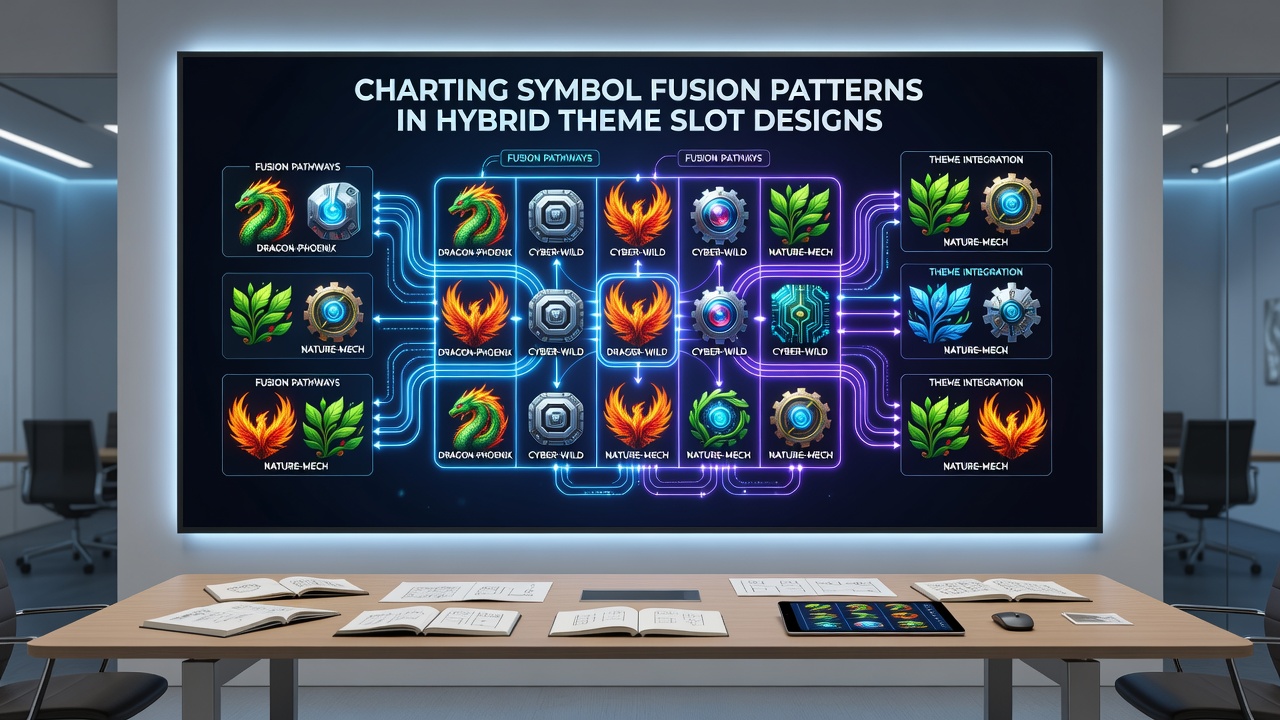
Pattern mapping begins with categorization of fusion types: temporary merges that revert after payout calculation, persistent merges that remain on the grid for subsequent spins, and chain reactions where one fusion triggers additional merges. According to reports from the Nevada Gaming Control Board, slot systems using persistent fusion mechanics demonstrate longer average session durations because the visual evolution of symbols maintains player attention across multiple rounds.
Hybrid themes introduce complexity because symbols drawn from opposing categories such as ancient artifacts and modern machinery require custom compatibility matrices. Those who analyze large datasets find that certain theme pairings, like elemental forces with mechanical devices, produce fusion rates up to 18 percent higher than uniform themes when random number generators weight symbol placement evenly across reels.
Data Collection and Analysis Methods
Analysts collect fusion data through automated logging systems that timestamp every merge event along with the preceding reel configuration and resulting payout. University-led studies on digital gaming mechanics have compiled datasets exceeding 50 million spins, enabling statistical models that predict fusion likelihood based on symbol density and theme balance. These models use regression analysis to isolate variables such as reel speed and animation timing that influence perceived fusion frequency without altering actual probabilities.
What's interesting is how hybrid designs allow for cross-category fusion where symbols from unrelated themes combine into unique hybrid icons with distinct bonus features. Evidence from European gaming association publications demonstrates that players encounter these cross fusions most frequently in games featuring progressive elements, where each successful merge contributes to a shared meter visible across multiple linked machines.
Technical Implementation in Modern Slots
Implementation relies on advanced rendering engines that handle layered animations during fusion sequences while maintaining compliance with regional technical standards. Game studios employ dedicated fusion pattern charts during quality assurance phases to verify that merge outcomes align with published return-to-player figures. Data indicates that October 2026 updates to testing protocols in several jurisdictions now require explicit documentation of fusion algorithms before new titles receive certification.
Design teams adjust symbol weights after reviewing chart outputs that compare expected versus observed fusion occurrences, ensuring the mechanic contributes to overall game balance rather than dominating outcomes. Those who've examined production pipelines observe that hybrid themes demand additional asset creation because fused symbols require multiple visual variants to represent every possible combination.
Conclusion
Symbol fusion patterns in hybrid-themed slots continue to evolve through refined charting techniques that capture detailed performance metrics across global markets. Regulatory bodies outside the UK, including those in North America and Australia, maintain oversight on these mechanics through standardized reporting requirements that emphasize transparency in algorithm documentation. Continued analysis of fusion data supports ongoing refinements in theme integration and payout structures as developers respond to aggregated player behavior statistics.