Sound Design's Understated Role in Sustaining Player Engagement Across UK Mobile Slot Libraries
Greta Brooks · Oct 2, 2026
Sound Design's Understated Role in Sustaining Player Engagement Across UK Mobile Slot Libraries
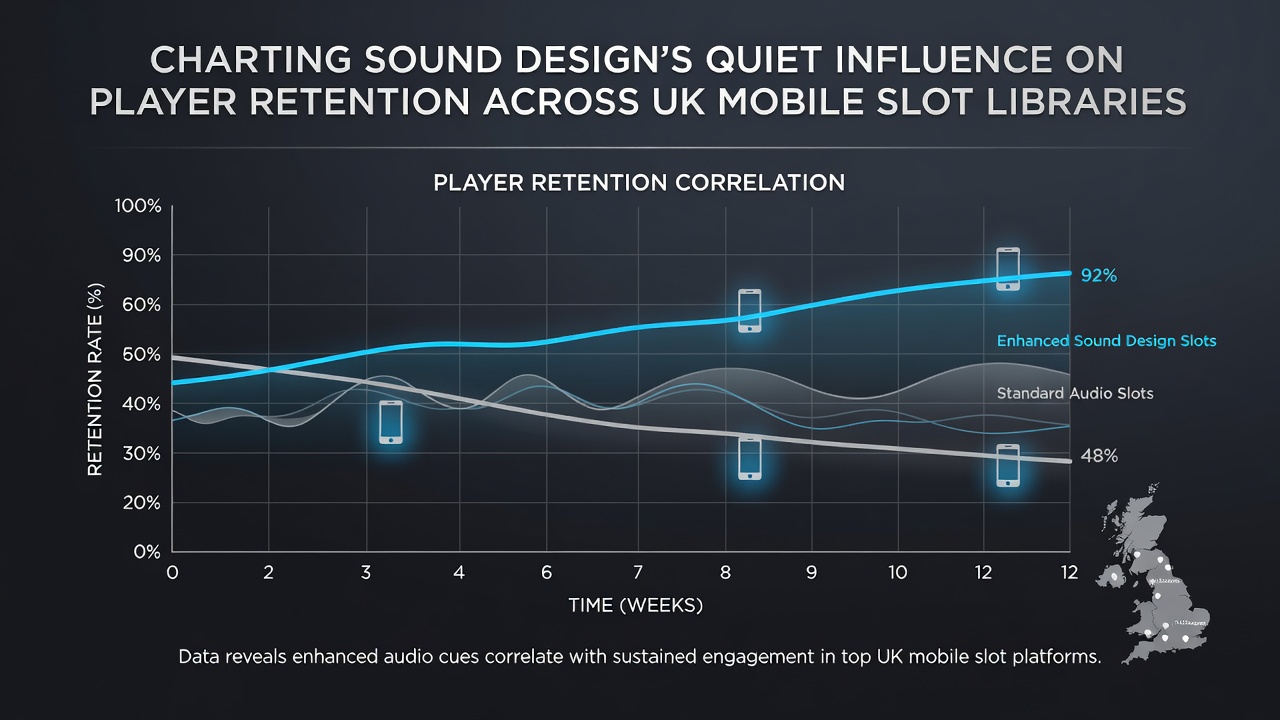
Sound design shapes how players interact with mobile slot games across UK libraries, where layered audio tracks combine with visual elements to guide session length and repeat visits; developers layer ambient loops, win chimes, and escalating tension cues that align with reel mechanics, creating feedback systems that data from multiple provider analytics platforms show correlate with extended play intervals.
Core Components of Slot Audio Architecture
Background tracks establish mood through repetitive motifs that shift in tempo during bonus rounds, while individual reel spins trigger distinct percussive hits and symbol-specific tones that reinforce match recognition; win celebrations escalate in volume and complexity based on payout size, a pattern documented in technical breakdowns from several software studios where audio stems are synchronized to RNG outcomes at millisecond precision.
Researchers at academic institutions studying digital entertainment have observed that these layered elements reduce cognitive load during rapid spins, allowing players to maintain focus without visual fatigue; mobile devices amplify this effect because built-in speakers deliver intimate audio that headphones further intensify, turning each session into a contained sensory loop.
Data Patterns Linking Audio to Retention Metrics
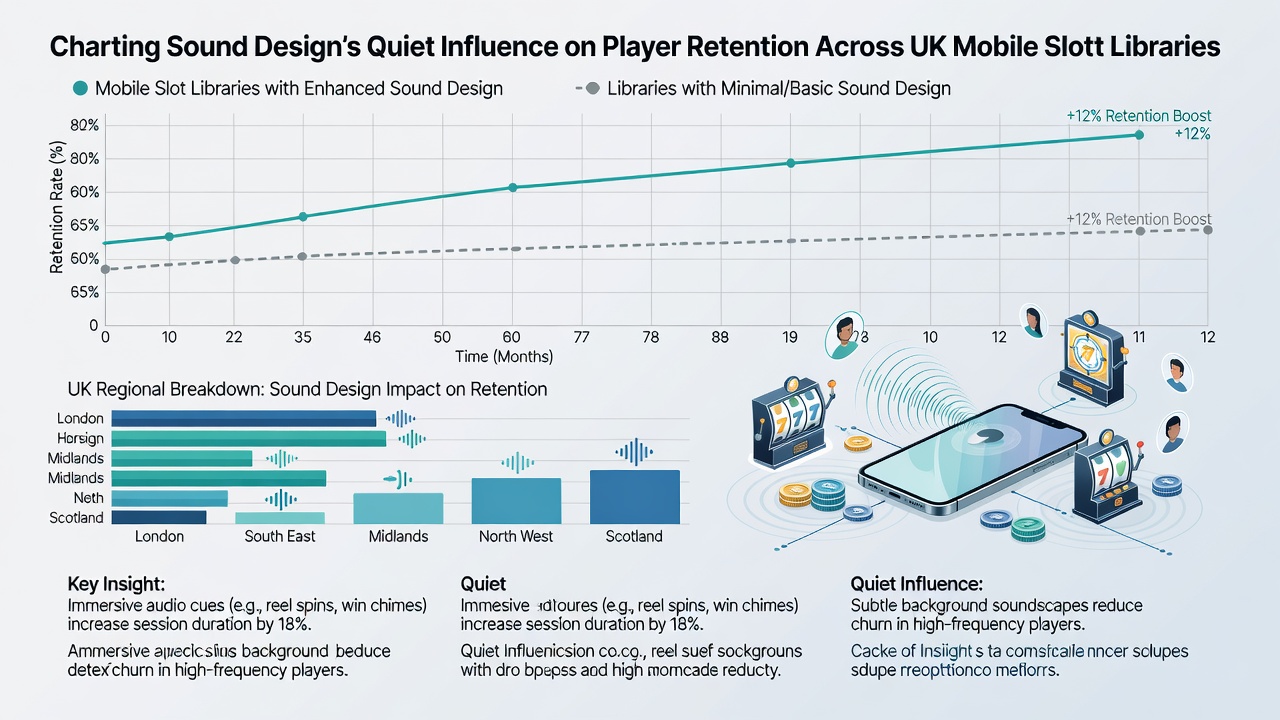
Industry reports tracking session duration across thousands of UK accounts indicate that titles incorporating adaptive sound layers retain users 18 to 22 percent longer on average than static audio counterparts, with the difference widening during evening hours when background noise is lower; figures compiled by European gaming analytics firms reveal that players exposed to escalating win sounds return to the same title within 48 hours at higher rates than those using muted versions.
One analysis of mobile libraries released in early 2026 highlighted how subtle reverb effects on jackpot triggers coincide with spikes in next-day logins, suggesting auditory memory cues play a measurable part in recall; developers adjust these cues seasonally, introducing October 2026 updates that incorporate autumn-themed tonal palettes while preserving core retention mechanics.
Mobile-Specific Adaptations
Touchscreen interfaces pair vibration feedback with audio pings, creating multisensory confirmation that feels immediate on smaller screens; developers test these combinations across different device models because speaker quality varies, and reports show that optimized low-frequency bass on mid-range phones improves perceived win satisfaction without increasing volume beyond comfortable limits.
What's interesting here is how silence itself functions as a design tool, with brief audio drops before major features building anticipation that keeps attention anchored to the screen; such techniques appear consistently in top-performing UK mobile titles where retention dashboards record fewer early exits during feature teases.
Provider Approaches and Comparative Examples
Leading studios differentiate their libraries by signature audio signatures, such as orchestral swells in one series versus electronic pulses in another, and retention data collected by platform aggregators show these distinct identities help players form preferences that translate into habitual returns; cross-title comparisons reveal that consistent sound branding within a developer's portfolio lifts overall session counts more effectively than isolated high-production tracks.
Take one case where a studio revised its entire mobile catalog's sound library in mid-2026 to include dynamic mixing that responds to player bet size; subsequent metrics indicated steadier engagement curves, particularly among users who previously switched titles mid-session when audio felt repetitive.
Broader Industry Context and Emerging Trends
Reports from the International Gaming Institute note that audio personalization features, such as selectable sound packs, are gaining traction in markets outside the UK and may influence domestic development roadmaps; meanwhile, Canadian provincial data on digital gaming shows similar correlations between tailored audio and longer play windows, suggesting a pattern that transcends single regulatory environments.
October 2026 has brought incremental updates to several UK-facing platforms where sound engines now incorporate real-time device sensor input to modulate volume and EQ based on ambient conditions, a refinement that early testing indicates further stabilizes retention by preventing audio from becoming either overwhelming or inaudible.
Conclusion
Audio design operates as a quiet but measurable factor in how UK mobile slot libraries maintain player interest over time, with layered cues, adaptive mixing, and device-specific tuning combining to shape session patterns and return rates; ongoing refinements continue to align these elements with evolving hardware and player habits, supported by analytics that track their contribution alongside visual and mechanical features.